
Do you work on your feet all day and find your feet in pain? Don't go to work in pain each day. Your foot pain can be treated, and we can help.
Do you work on your feet all day and find your feet in pain? Don't go to work in pain each day. Your foot pain can be treated, and we can help.

Toe pain ranges from a mild irritation to severe discomfort that makes it difficult to put pressure on the foot. The toes contain bones, joints, and muscles, along with tendons and ligaments that support movement. Nerves and blood vessels also pass through the toes. Problems affecting any of these structures can cause pain. Symptoms can develop suddenly after an injury or appear gradually. Toe pain also occurs with burning, numbness, or a pins-and-needles sensation. Swelling or stiffness can make walking and other daily activities more difficult.
Many conditions can lead to toe pain. Bunions cause pain around the big-toe joint, while arthritis makes toe joints sore and stiff. Corns and calluses also create painful pressure. Other causes include an ingrown toenail, a broken toe, or a sprain. Hammertoe develops when a toe stays in a bent position and can become painful when it rubs against a shoe. Nerve problems may produce burning or numbness. Persistent pain with redness, warmth, or swelling deserves prompt attention because these signs can be linked to infection or another condition.
A podiatrist examines the toes and foot to identify the source of pain. The evaluation includes checking joint movement, skin changes, and areas of tenderness. A podiatrist also determines whether foot structure or pressure from shoes is contributing to symptoms. Treatment options depend on the cause and include custom orthotics, shoe modifications, or a brace. If you have symptoms of toe pain, it is suggested that you schedule an appointment with a podiatrist for diagnosis and treatment.
Toe pain can disrupt your daily activities. If you have any concerns, contact Bryan Sullivan, DPM of Mississippi Foot Center . Our doctor can provide the care you need to keep you pain-free and on your feet.
What Causes Toe Pain?
Most severe toe pain is caused due to a sports injury, trauma from dropping something heavy on the toe, or bumping into something rigid. Other problems can develop over time for various reasons.
Toe pain can be caused by one or more ailments. The most common include:
When to See a Podiatrist
Diagnosis
In many cases the cause of toe pain is obvious, but in others, a podiatrist may want to use more advanced methods to determine the problem. These can range from simple visual inspections and sensation tests to X-rays and MRI scans. Prior medical history, family medical history, and any recent physical traumatic events will all be taken into consideration for a proper diagnosis.
Treatment
Treatments for toe pain and injuries vary and may include shoe inserts, padding, taping, medicines, injections, and in some cases, surgery. If you believe that you have broken a toe, please see a podiatrist as soon as possible.
If you have any questions please contact our office located in Jackson, MS . We offer the newest diagnostic and treatment technologies for all your foot and ankle needs.

Skateboarding can be exciting and physically demanding, but repeated jumps and tricks can place considerable stress on the feet and ankles. The impact of landing on a skateboard or the ground can contribute to foot injuries, especially among children and young adults. Skateboarding injuries can range from bruises and cuts to more serious ankle sprains or fractures. Repetitive, forceful movements can also irritate tissues over time. Plantar fasciitis, which causes heel pain, may develop from repeated strain. Skateboarders may also experience Achilles tendonitis or stress fractures from continued pressure on the feet and ankles.
Some skateboarding injuries may be more serious than they first appear. An ankle sprain and a fracture can cause similar symptoms, making a professional diagnosis important. Being able to walk after an injury does not necessarily mean that a bone is not fractured. Cuts and abrasions also deserve attention, because damaged skin can become infected. Supportive footwear and protective equipment can help reduce some of the risks associated with skateboarding. However, persistent pain, swelling, or difficulty walking may indicate an injury that requires medical evaluation. Ignoring these warning signs could allow a foot or ankle problem to become more difficult to manage.
A podiatrist can examine sports-related foot and ankle injuries and determine the source of pain after a skateboarding accident. An evaluation can help distinguish between a sprain and fracture while identifying injuries caused by repeated impact. Treatment will depend on the type and severity of the injury. Proper diagnosis is especially important when symptoms continue after an injury or interfere with normal movement. A podiatrist can develop an appropriate treatment plan that supports recovery and helps protect long-term foot health. If skateboarding has caused ongoing foot pain, ankle pain, or difficulty walking, it is suggested that you consult a podiatrist for an evaluation and appropriate treatment options.
Ankle and foot injuries are common among athletes and in many sports. They can be caused by several problems and may be potentially serious. If you are feeling pain or think you were injured in a sporting event or when exercising, consult with Bryan Sullivan, DPM from Mississippi Foot Center . Our doctor will assess your condition and provide you with quality foot and ankle treatment.
Common Injuries
The most common injuries that occur in sporting activities include:
Symptoms
Symptoms vary depending upon the injury and in some cases, there may be no symptoms at all. However, in most cases, some form of symptom is experienced. Pain, aching, burning, bruising, tenderness, tightness or stiffness, sensation loss, difficulty moving, and swelling are the most common symptoms.
Treatment
Just as symptoms vary depending upon the injury, so do treatment options. A common treatment method is known as the RICE method. This method involves rest, applying ice, compression and elevating the afflicted foot or ankle. If the injury appears to be more serious, surgery might be required, such as arthroscopic or reconstructive surgery. Lastly, rehabilitation or therapy might be needed to gain full functionality in the afflicted area. Any discomfort experienced by an athlete must be evaluated by a licensed, reputable medical professional.
If you have any questions please contact our office located in Jackson, MS . We offer the newest diagnostic and treatment technologies for all your foot and ankle needs.
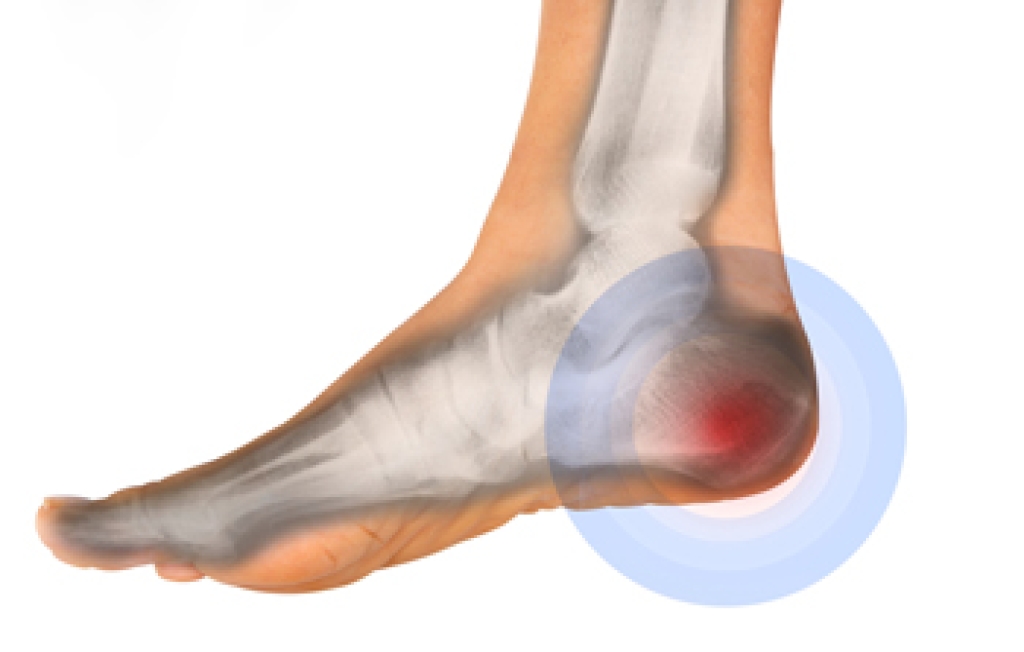
A heel bone fracture can happen when a powerful force drives the heel against a hard surface. Falls from heights and motor vehicle crashes are leading causes. A severe ankle twist can also crack the heel bone, called the calcaneus. Pain, swelling, and bruising can develop quickly. Some patients cannot place weight on the foot, while those with a minor fracture may walk with a limp. The heel can look wider, shorter, or misshapen when pieces of bone move out of position. Because the force may injure other areas, a complete medical evaluation is needed.
A podiatrist examines the foot and ankle for tenderness, skin damage, and changes in heel shape. This also includes checking blood flow, feeling, and toe movement. X-rays can confirm the break and show whether bone pieces have shifted. A CT scan creates detailed pictures and helps the podiatrist understand the fracture pattern. Treatment depends on the injury, the position of the broken pieces, and tissue damage. A cast, splint, or brace can hold a stable fracture in place. Patients must avoid placing weight on the injured foot while the bone heals. When fragments have moved or the heel has lost its normal shape, surgery may be required to realign and secure the bone.
Recovery from a heel bone fracture can take several months, especially after a high-impact injury. The podiatrist monitors healing with examinations and imaging, then advises when weight-bearing can increase. Custom orthotics may improve support and reduce pressure inside the shoe. After treatment, some patients develop stiffness, swelling, or pain. Arthritis can form if the fracture damages the joint below the ankle. These problems may affect balance on uneven ground and make demanding work difficult. Prompt diagnosis helps the podiatrist protect the skin, restore heel alignment, and reduce further problems. If you have injured your heel, it is suggested that you promptly schedule an appointment with a podiatrist for a diagnosis and appropriate treatment.
Many people suffer from bouts of heel pain. For more information, contact Bryan Sullivan, DPM of Mississippi Foot Center . Our doctor can provide the care you need to keep you pain-free and on your feet.
Causes of Heel Pain
Heel pain is often associated with plantar fasciitis. The plantar fascia is a band of tissues that extends along the bottom of the foot. A rip or tear in this ligament can cause inflammation of the tissue.
Achilles tendonitis is another cause of heel pain. Inflammation of the Achilles tendon will cause pain from fractures and muscle tearing. Lack of flexibility is also another symptom.
Heel spurs are another cause of pain. When the tissues of the plantar fascia undergo a great deal of stress, it can lead to ligament separation from the heel bone, causing heel spurs.
Why Might Heel Pain Occur?
Treatments
Heel pain should be treated as soon as possible for immediate results. Keeping your feet in a stress-free environment will help. If you suffer from Achilles tendonitis or plantar fasciitis, applying ice will reduce the swelling. Stretching before an exercise like running will help the muscles. Using all these tips will help make heel pain a condition of the past.
If you have any questions, please feel free to contact our office located in Jackson, MS . We offer the newest diagnostic and treatment technologies for all your foot care needs.

Corns are thickened areas of skin that develop when the feet experience repeated pressure or friction. They frequently appear on the tops or sides of the toes, where shoes can rub against the skin. Unlike calluses, which tend to cover larger areas, corns are usually smaller and have a firm center. They can become painful when pressure is placed on them. Wearing shoes that are too tight can contribute to corns, especially when the toes are crowded or repeatedly rub against the inside of the shoe.
Foot structure can also play a role in corn development. A hammertoe or another change in toe position can create areas of increased pressure inside a shoe. Corns can also form between the toes, where skin repeatedly rubs together. These corns can remain softer because moisture collects between the toes. People with diabetes or poor blood flow need to be especially careful with corns because foot injuries can lead to serious complications. Persistent pain, redness, or changes in the surrounding skin deserve evaluation. Repeated corns can signal an underlying pressure problem that should be addressed.
A podiatrist can examine a corn and determine what is causing pressure on the affected area. The evaluation can include checking foot structure, toe position, and how shoes fit. A podiatrist can safely reduce thickened skin and recommend padding or other devices to protect sensitive areas. Treatment can also address structural problems that contribute to repeated pressure. In some cases, surgery can be considered when a foot deformity causes ongoing pain and conservative treatment does not provide enough relief. Proper evaluation can help prevent recurring corns and protect surrounding skin. If you have developed corns on the feet, it is suggested that you schedule an appointment with a podiatrist for effective relief and treatment solutions.
Corns can make walking very painful and should be treated immediately. If you have questions regarding your feet and ankles, contact Bryan Sullivan, DPM of Mississippi Foot Center . Our doctor will treat your foot and ankle needs.
Corns: What Are They? And How Do You Get Rid of Them?
Corns are thickened areas on the skin that can become painful. They are caused by excessive pressure and friction on the skin. Corns press into the deeper layers of the skin and are usually round in shape.
Ways to Prevent Corns
There are many ways to get rid of painful corns such as:
Treating Corns
Although most corns slowly disappear when the friction or pressure stops, this isn’t always the case. Consult with your podiatrist to determine the best treatment option for your case of corns.
If you have any questions, please feel free to contact our office located in Jackson, MS . We offer the newest diagnostic and treatment technologies for all your foot care needs.
Connect With Us
