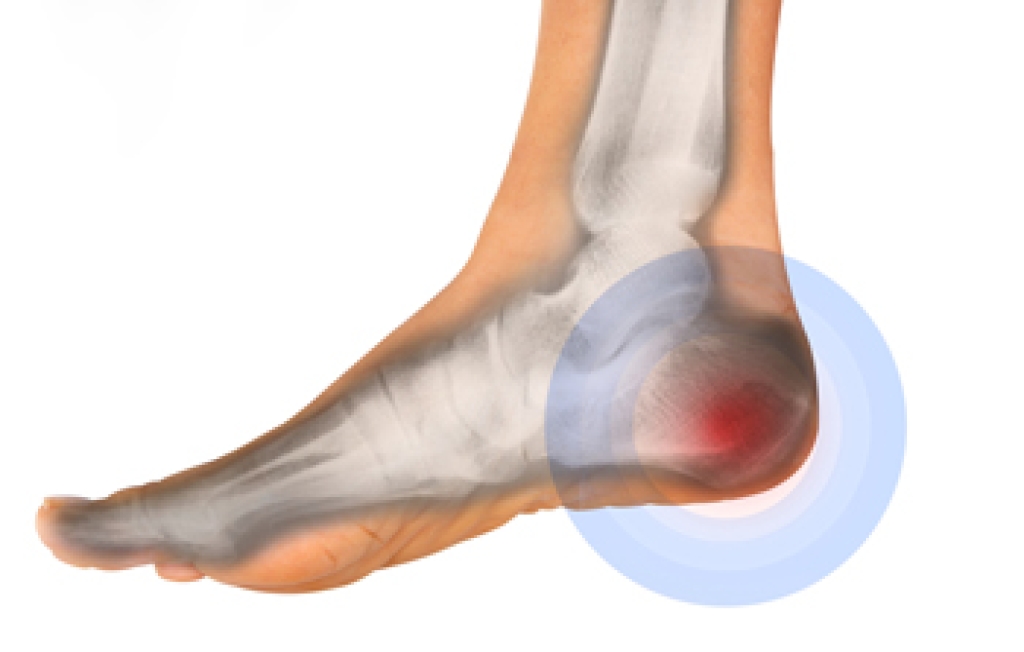
A heel bone fracture can happen when a powerful force drives the heel against a hard surface. Falls from heights and motor vehicle crashes are leading causes. A severe ankle twist can also crack the heel bone, called the calcaneus. Pain, swelling, and bruising can develop quickly. Some patients cannot place weight on the foot, while those with a minor fracture may walk with a limp. The heel can look wider, shorter, or misshapen when pieces of bone move out of position. Because the force may injure other areas, a complete medical evaluation is needed.
A podiatrist examines the foot and ankle for tenderness, skin damage, and changes in heel shape. This also includes checking blood flow, feeling, and toe movement. X-rays can confirm the break and show whether bone pieces have shifted. A CT scan creates detailed pictures and helps the podiatrist understand the fracture pattern. Treatment depends on the injury, the position of the broken pieces, and tissue damage. A cast, splint, or brace can hold a stable fracture in place. Patients must avoid placing weight on the injured foot while the bone heals. When fragments have moved or the heel has lost its normal shape, surgery may be required to realign and secure the bone.
Recovery from a heel bone fracture can take several months, especially after a high-impact injury. The podiatrist monitors healing with examinations and imaging, then advises when weight-bearing can increase. Custom orthotics may improve support and reduce pressure inside the shoe. After treatment, some patients develop stiffness, swelling, or pain. Arthritis can form if the fracture damages the joint below the ankle. These problems may affect balance on uneven ground and make demanding work difficult. Prompt diagnosis helps the podiatrist protect the skin, restore heel alignment, and reduce further problems. If you have injured your heel, it is suggested that you promptly schedule an appointment with a podiatrist for a diagnosis and appropriate treatment.
Many people suffer from bouts of heel pain. For more information, contact Bryan Sullivan, DPM of Mississippi Foot Center . Our doctor can provide the care you need to keep you pain-free and on your feet.
Causes of Heel Pain
Heel pain is often associated with plantar fasciitis. The plantar fascia is a band of tissues that extends along the bottom of the foot. A rip or tear in this ligament can cause inflammation of the tissue.
Achilles tendonitis is another cause of heel pain. Inflammation of the Achilles tendon will cause pain from fractures and muscle tearing. Lack of flexibility is also another symptom.
Heel spurs are another cause of pain. When the tissues of the plantar fascia undergo a great deal of stress, it can lead to ligament separation from the heel bone, causing heel spurs.
Why Might Heel Pain Occur?
- Wearing ill-fitting shoes
- Wearing non-supportive shoes
- Weight change
- Excessive running
Treatments
Heel pain should be treated as soon as possible for immediate results. Keeping your feet in a stress-free environment will help. If you suffer from Achilles tendonitis or plantar fasciitis, applying ice will reduce the swelling. Stretching before an exercise like running will help the muscles. Using all these tips will help make heel pain a condition of the past.
If you have any questions, please feel free to contact our office located in Jackson, MS . We offer the newest diagnostic and treatment technologies for all your foot care needs.
