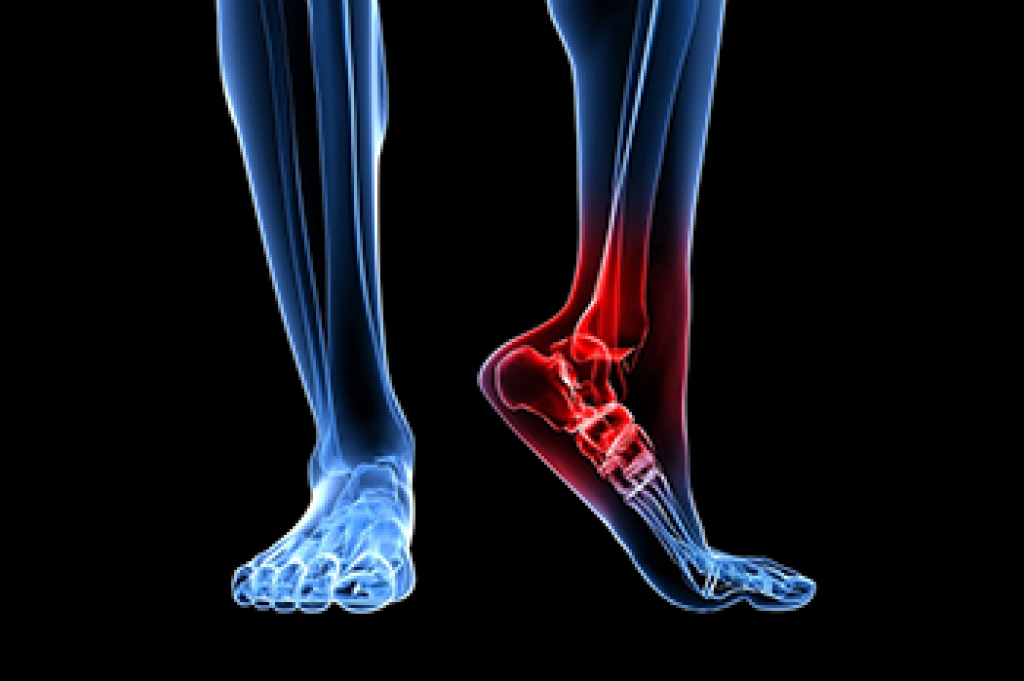
What to Do About a Heel Spur

Heel spurs are bony growths that develop on the underside of the heel bone. They arise when calcium deposits build up over several months, usually where the foot muscles connect to the heel bone. Commonly linked with plantar fasciitis, these spurs are often a response to strain, repeated stress, or chronic inflammation of the foot muscles and ligaments. Although heel spurs themselves are not always painful, they can lead to discomfort and pain in the foot, particularly during activities like walking or running. Risk factors for heel spurs include wearing poor footwear, excess weight, and an active lifestyle that puts repetitive stress on the feet. To manage the discomfort associated with heel spurs, treatments can include exercise, custom orthotics, anti-inflammatory medications, and adequate rest. In persistent cases, more invasive interventions like injections or surgery may be necessary. If you have a bothersome heel spur, it is suggested that you schedule an appointment with a podiatrist for a proper diagnosis and tailored treatment plan.

Heel spurs can be incredibly painful and sometimes may make you unable to participate in physical activities. To get medical care for your heel spurs, contact Bryan Sullivan, DPM from Mississippi Foot Center . Our doctor will do everything possible to treat your condition.

Heels Spurs

Heel spurs are formed by calcium deposits on the back of the foot where the heel is. This can also be caused by small fragments of bone breaking off one section of the foot, attaching onto the back of the foot. Heel spurs can also be bone growth on the back of the foot and may grow in the direction of the arch of the foot.

Older individuals usually suffer from heel spurs and pain sometimes intensifies with age. One of the main condition's spurs are related to is plantar fasciitis.

Pain

The pain associated with spurs is often because of weight placed on the feet. When someone is walking, their entire weight is concentrated on the feet. Bone spurs then have the tendency to affect other bones and tissues around the foot. As the pain continues, the feet will become tender and sensitive over time.

Treatments

There are many ways to treat heel spurs. If one is suffering from heel spurs in conjunction with pain, there are several methods for healing. Medication, surgery, and herbal care are some options.

If you have any questions, please feel free to contact our office located in Jackson, MS . We offer the newest diagnostic and treatment technologies for all your foot care needs.


Read more about Heel Spurs

Get Proper Treatment for Ankle Injuries

If you're experiencing ankle pain, you may be suffering from an ankle injury. Sprains, fractures, Achilles tendonitis, and Achilles tendon ruptures are just some examples of potential ankle injuries. Don't wait for care for an ankle injury, as it may worsen over time. We can help!

Common Symptoms of Plantar Fasciitis

Plantar fasciitis occurs when the thick band of tissue that runs along the bottom of your foot, called the plantar fascia, becomes inflamed. Plantar fasciitis is a common cause of heel pain. It is characterized primarily by a sharp, stabbing pain in the bottom of the foot near the heel. This pain is often more pronounced in the morning when taking the first steps of the day, or after long periods of sitting or standing. The pain may flare up with intense activity but typically worsens after, not during, the exercise. Other symptoms include swelling and tenderness in the heel area. Plantar fasciitis is particularly prevalent in runners, overweight individuals, and those whose jobs require long hours on their feet. Wearing shoes with inadequate support exacerbates the problem in those with plantar fasciitis. Effective treatment involves rest, stretching exercises, and proper footwear. If you have heel pain and suspect plantar fasciitis, it is suggested that you consult with a podiatrist, or foot doctor, for care. 

Plantar fasciitis can be very painful and inconvenient. If you are experiencing heel pain or symptoms of plantar fasciitis, contact Bryan Sullivan, DPM  from Mississippi Foot Center . Our doctor can provide the care you need to keep you pain-free and on your feet.

What Is Plantar Fasciitis?

Plantar fasciitis is the inflammation of the thick band of tissue that runs along the bottom of your foot, known as the plantar fascia, and causes mild to severe heel pain.

What Causes Plantar Fasciitis?

  • Excessive running
  • Non-supportive shoes
  • Overpronation
  • Repeated stretching and tearing of the plantar fascia

How Can It Be Treated?

  • Conservative measures – anti-inflammatories, ice packs, stretching exercises, physical therapy, orthotic devices
  • Shockwave therapy – sound waves are sent to the affected area to facilitate healing and are usually used for chronic cases of plantar fasciitis
  • Surgery – usually only used as a last resort when all else fails. The plantar fascia can be surgically detached from the heel

While very treatable, plantar fasciitis is definitely not something that should be ignored. Especially in severe cases, speaking to your doctor right away is highly recommended to avoid complications and severe heel pain. Your podiatrist can work with you to provide the appropriate treatment options tailored to your condition.

If you have any questions, please feel free to contact our office located in Jackson, MS . We offer the newest diagnostic and treatment technologies for all your foot care needs.

Read more about Plantar Fasciitis

Factors in Choosing Proper Work Boots

Having the right pair of work boots is important for specific types of jobs. Beyond comfort, they ensure safety, durability, and even style. Before exploring boot options, it is helpful to assess your work environment to select boots with suitable safety features. Composite toe work boots are lightweight yet durable, ideal for hazardous environments. Soft toe work boots offer comfort and protection against slips in less hostile settings. Waterproof boots with breathable liners keep feet dry, while insulated boots provide warmth and cushioning in cold climates. Prioritizing safety features, comfort, and functionality helps you find the right pair of boots to support you through long work days. It is also essential to consider foot health too, and consulting a podiatrist for personalized recommendations can be beneficial. Purchasing quality work boots is investing in your safety and comfort on the job. By balancing safety, comfort and functionality, you can find work boots that meet all your needs. If your type of job requires protecting the feet from injury or puts you at risk of other foot ailments, it is suggested that you schedule an appointment with a podiatrist for help in selecting appropriate footwear.

While working on the feet, it is important to take the proper care of them. For more information about working on your feet, contact Bryan Sullivan, DPM from Mississippi Foot Center . Our doctor will treat your foot and ankle needs.

Working on Your Feet

Standing on your feet for long periods of time can cause stress and pain in your feet. Your whole body may experience change in terms of posture, back pain, bunions, callouses and or plantar warts. There are ways to avoid these conditions with proper foot care, smart choices and correct posture.

Positive Changes

Negative heeled shoe – Choosing this shoe type places the heel slightly lower than the ball of the foot. These are great for overall foot health. Find shoes that fit you correctly.

Go barefoot – Our feet were not designed to be enclosed for all hours of the day. Try to periodically expose your feet to air.

Eliminate Pain

Foot Exercises – Performing simple exercises, incorporating yoga and doing stretches are beneficial. This will allow increased blood flow to the area and muscles of the foot.

Achilles tendon – Stretching the foot out flat on the floor will relax the calf muscles and tendon. These exercises can be performed almost anywhere. Make sure you add these exercises to your daily regimen. 

With a little bit of this information and knowing more about foot health, you will notice changes. Foot stretches and proper footwear will help with pain and prevent further issues.

If you have any questions please contact our office located in Jackson, MS . We offer the newest diagnostic and treatment technologies for all your foot and ankle needs.

Read more about Working on Your Feet

Causes of Broken Heels

Understanding the causes of a broken heel helps in recognizing the signs and seeking appropriate treatment. Fractures in the heel often result from significant force, such as falling from a height, a car accident, or a sports injury. Repetitive stress on the heel, which may develop from long-distance running, can lead to stress fractures in the heel. Symptoms of heel fractures include pain when touching and putting weight on it. Swelling and difficulty walking normally are other symptoms. A fracture of the heel bone may also cause internal bleeding, resulting in bruising after a day or so. To diagnose a broken heel, a podiatrist employs X-rays and sometimes CT scans. Treatment may involve wearing a cast or splint. Surgical intervention for severe cases and the use of assistive devices like canes and protective footwear during recovery may be prescribed. If you suspect a broken heel, it's suggested that you make an appointment with a podiatrist for proper evaluation and personalized care.

A broken foot requires immediate medical attention and treatment. If you need your feet checked, contact Bryan Sullivan, DPM from Mississippi Foot Center . Our doctor can provide the care you need to keep you pain-free and on your feet.

Broken Foot Causes, Symptoms, and Treatment

A broken foot is caused by one of the bones in the foot typically breaking when bended, crushed, or stretched beyond its natural capabilities. Usually the location of the fracture indicates how the break occurred, whether it was through an object, fall, or any other type of injury. 

Common Symptoms of Broken Feet:

  • Bruising
  • Pain
  • Redness
  • Swelling
  • Blue in color
  • Numbness
  • Cold
  • Misshapen
  • Cuts
  • Deformities

Those that suspect they have a broken foot shoot seek urgent medical attention where a medical professional could diagnose the severity.

Treatment for broken bones varies depending on the cause, severity and location. Some will require the use of splints, casts or crutches while others could even involve surgery to repair the broken bones. Personal care includes the use of ice and keeping the foot stabilized and elevated.

If you have any questions, please feel free to contact our office located in Jackson, MS . We offer the newest diagnostic and treatment technologies for all your foot care needs.

Read more about Causes, Symptoms, and Treatment for a Broken Foot

Connect With Us

scroll to top