
Mechanical and Neurologic Heel Pain

Mechanical and neurologic heel pain are two distinct types of heel discomfort, each with unique causes and characteristics. Mechanical heel pain can be triggered by overuse of the lower limbs or from wearing improper footwear that does not provide enough support. One common condition resulting from these issues is plantar fasciitis, where the plantar fascia ligament running along the bottom of the foot becomes inflamed. Another cause of mechanical heel pain is Achilles tendonitis, which involves inflammation of the Achilles tendon at the back of the leg. On the other hand, neurologic heel pain stems from nerve-related issues, such as tarsal tunnel syndrome, where the nerve inside the tarsal tunnel of the ankle is compressed. Pinched nerves that cause sharp, shooting pain are also a cause of neurologic heel pain. Understanding the origin of heel pain is important to identifying the right treatment. Mechanical issues might be addressed with orthotics, stretches, and proper footwear, while neurologic pain may require interventions like nerve decompression or medication to manage pain and inflammation. If you are suffering from heel pain, it is suggested that you schedule an appointment with a podiatrist today. 

Many people suffer from bouts of heel pain. For more information, contact Bryan Sullivan, DPM of Mississippi Foot Center . Our doctor can provide the care you need to keep you pain-free and on your feet.

Causes of Heel Pain

Heel pain is often associated with plantar fasciitis. The plantar fascia is a band of tissues that extends along the bottom of the foot. A rip or tear in this ligament can cause inflammation of the tissue.

Achilles tendonitis is another cause of heel pain. Inflammation of the Achilles tendon will cause pain from fractures and muscle tearing. Lack of flexibility is also another symptom.

Heel spurs are another cause of pain. When the tissues of the plantar fascia undergo a great deal of stress, it can lead to ligament separation from the heel bone, causing heel spurs.

Why Might Heel Pain Occur?

  • Wearing ill-fitting shoes                
  • Wearing non-supportive shoes
  • Weight change           
  • Excessive running

Treatments

Heel pain should be treated as soon as possible for immediate results. Keeping your feet in a stress-free environment will help. If you suffer from Achilles tendonitis or plantar fasciitis, applying ice will reduce the swelling. Stretching before an exercise like running will help the muscles. Using all these tips will help make heel pain a condition of the past.

If you have any questions, please feel free to contact our office located in Jackson, MS . We offer the newest diagnostic and treatment technologies for all your foot care needs.
Read more about Heel Pain

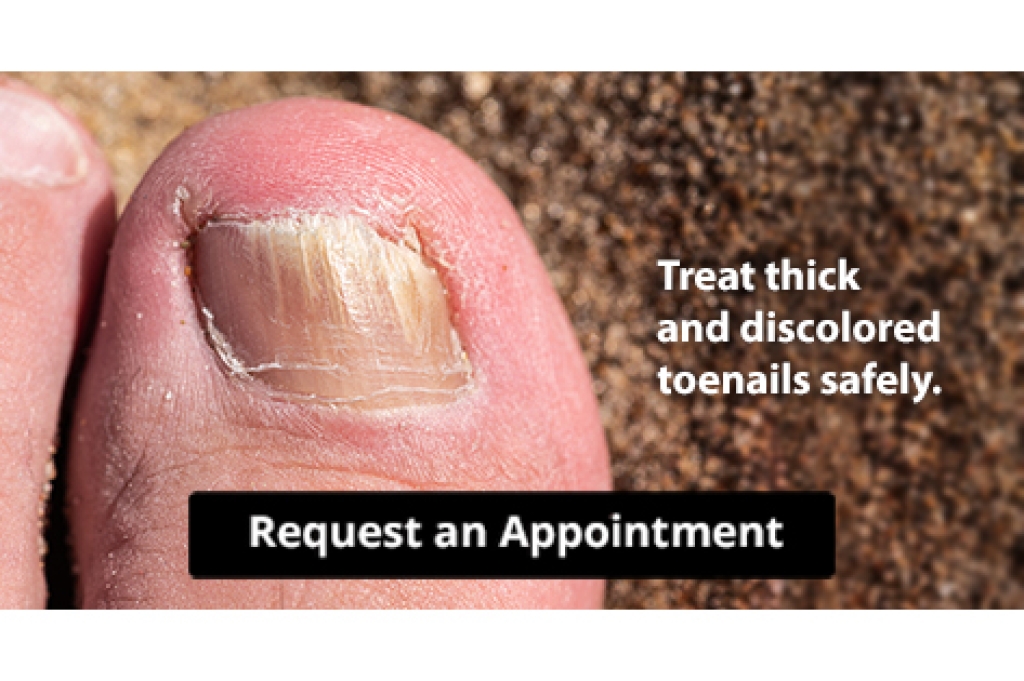
Stop Your Toenail Fungus

Have you noticed discoloration of your toenails? Have they become thickened or brittle? If so, you may be experiencing symptoms of a fungal nail infection. For some, having a fungal nail can be embarrassing. Overcome your embarrassment, and get treated.

Treatment Options for Bunions

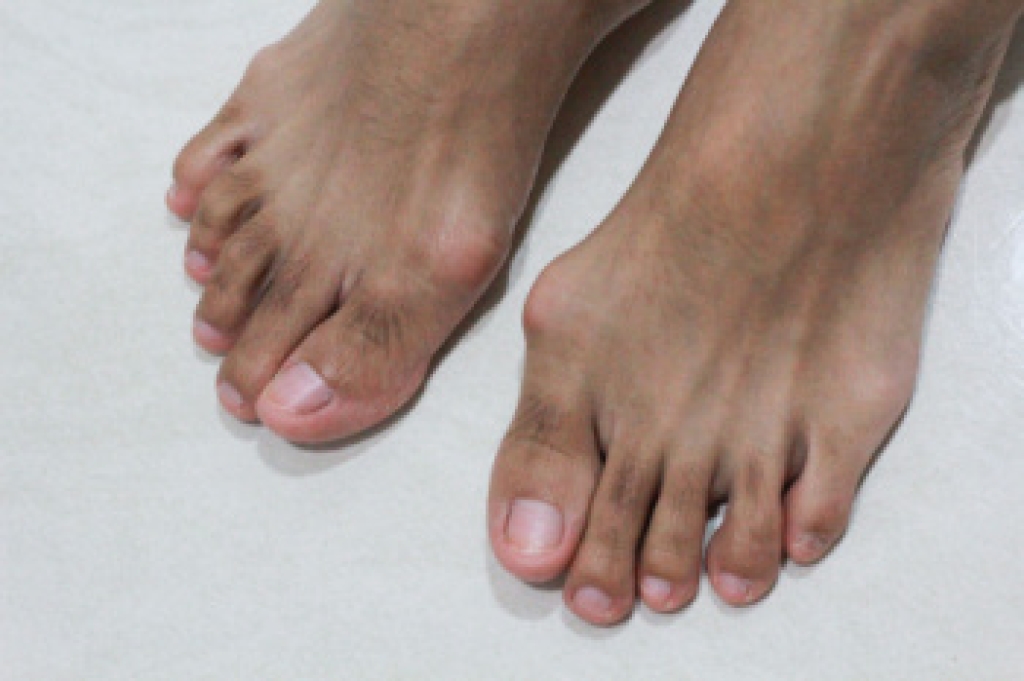
A bunion is a deformity where the bottom bone of the big toe pushes toward the outside, creating a noticeable bump on the foot. As a result, the rest of the toe then moves toward the smaller toes. Bunions develop gradually over time due to inherited foot structure and the way each foot absorbs force during walking. The symptoms of bunions vary from none at all to severe discomfort, worsened by wearing tight or narrow shoes. Several treatment options exist that may help to alleviate symptoms without surgery. Non-operative interventions include wearing comfortable shoes with a wide toe box, using bunion pads to reduce irritation, and employing toe spacers to realign the toes. Practicing calf stretches to reduce stress on the foot and wearing custom orthotics can help. For those whose bunions persist despite non-operative measures, surgical intervention may be necessary. Advances in surgical techniques allow patients to return home the same day as the surgery, although full recovery may take from six months to a year. If you are experiencing bunion discomfort, it is suggested that you schedule an appointment with a podiatrist for a full exam and appropriate treatment options.

If you are suffering from bunions, contact Bryan Sullivan, DPM of Mississippi Foot Center . Our doctor can provide the care you need to keep you pain-free and on your feet.

What Is a Bunion?

A bunion is formed of swollen tissue or an enlargement of boney growth, usually located at the base joint of the toe that connects to the foot. The swelling occurs due to the bones in the big toe shifting inward, which impacts the other toes of the foot. This causes the area around the base of the big toe to become inflamed and painful.

Why Do Bunions Form?

Genetics – Susceptibility to bunions are often hereditary

Stress on the feet – Poorly fitted and uncomfortable footwear that places stress on feet, such as heels, can worsen existing bunions

How Are Bunions Diagnosed?

Doctors often perform two tests – blood tests and x-rays – when trying to diagnose bunions, especially in the early stages of development. Blood tests help determine if the foot pain is being caused by something else, such as arthritis, while x-rays provide a clear picture of your bone structure to your doctor.

How Are Bunions Treated?

  • Refrain from wearing heels or similar shoes that cause discomfort
  • Select wider shoes that can provide more comfort and reduce pain
  • Anti-inflammatory and pain management drugs
  • Orthotics or foot inserts
  • Surgery

If you have any questions, please feel free to contact our office located in Jackson, MS . We offer the newest diagnostic and treatment technologies for all your foot care needs.

Read more about Bunions

Removing a Bone Spur on the Big Toe

A surgical procedure aimed at relieving pain from bone spurs on the top of the big toe is called a cheilectomy. The pain is the result of arthritis that also causes stiffness in the big toe, termed hallux rigidus. Typically considered after non-surgical interventions, a cheilectomy involves the careful removal of bone spurs to alleviate discomfort and improve range of motion. Whether performed under general or local anesthesia, the procedure usually allows for a same-day operation. Following surgery, treatment often starts with gentle toe movements and stretching exercises to prevent stiffness. The recovery period typically spans six to eight weeks. While individual recovery time may vary, the primary goal of restoring function and alleviating pain are the focus. If you have persistent pain and limited mobility in your big toe, it is suggested that you schedule an appointment with a podiatrist for an exam, diagnosis, and personalized treatment plan, which may include surgery. 

Foot surgery is sometimes necessary to treat a foot ailment. To learn more, contact Bryan Sullivan, DPM of Mississippi Foot Center . Our doctor will assist you with all of your foot and ankle needs.

When Is Surgery Necessary?

Foot and ankle surgery is generally reserved for cases in which less invasive, conservative procedures have failed to alleviate the problem. Some of the cases in which surgery may be necessary include:

  • Removing foot deformities like bunions and bone spurs
  • Severe arthritis that has caused bone issues
  • Cosmetic reconstruction

What Types of Surgery Are There?

The type of surgery you receive will depend on the nature of the problem you have. Some of the possible surgeries include:

  • Bunionectomy for painful bunions
  • Surgical fusion for realignment of bones
  • Neuropathy decompression surgery to treat nerve damage

Benefits of Surgery

Although surgery is usually a last resort, it can provide more complete pain relief compared to non-surgical methods and may allow you to finally resume full activity.

Surgical techniques have also become increasingly sophisticated. Techniques like endoscopic surgery allow for smaller incisions and faster recovery times.

If you have any questions, please feel free to contact our office located in Jackson, MS . We offer the newest diagnostic and treatment technologies for all your foot care needs.

Read more about Foot Surgery

Podiatrists Effectively Treat Ingrown Toenails

Podiatrists specialize in treating foot conditions, including the common yet painful issue of ingrown toenails. These occur when the edge of a toenail grows into the surrounding skin, causing discomfort, redness, and even infection. When treating an ingrown toenail, a podiatrist may start with conservative treatments, such as properly trimming the nail, lifting it from the skin, and recommending appropriate footwear to alleviate pressure. In cases where the ingrown toenail is recurrent or severe, a podiatrist may perform a minor surgical procedure under local anesthesia to remove part of the nail. This professional intervention not only addresses the immediate pain and infection but can also prevent recurrence of ingrown nails in that area. Patients can usually return to their daily activities quickly and comfortably, with minimal risk of complications. If you are suffering from an ingrown toenail, it is suggested that you consult a podiatrist for treatment. 

Ingrown toenails can become painful if they are not treated properly. For more information about ingrown toenails, contact Bryan Sullivan, DPM of Mississippi Foot Center . Our doctor can provide the care you need to keep you pain-free and on your feet.

Ingrown Toenails

Ingrown toenails occur when a toenail grows sideways into the bed of the nail, causing pain, swelling, and possibly infection.

Causes

  • Bacterial infections
  • Improper nail cutting such as cutting it too short or not straight across
  • Trauma to the toe, such as stubbing, which causes the nail to grow back irregularly
  • Ill-fitting shoes that bunch the toes too close together
  • Genetic predisposition

Prevention

Wearing proper fitting shoes and using proper cutting techniques will also help decrease your risk of developing ingrown toenails.

Treatment

Ingrown toenails are a very treatable foot condition. In minor cases, soaking the affected area in salt or antibacterial soaps will not only help with the ingrown nail itself, but also help prevent any infections from occurring. In more severe cases, surgery is an option. In either case, speaking to your podiatrist about this condition will help you get a better understanding of specific treatment options that are right for you.

If you have any questions, please feel free to contact our office located in Jackson, MS . We offer the newest diagnostic and treatment technologies for all your foot care needs.

Read more about Ingrown Toenail Care

Connect With Us

scroll to top